

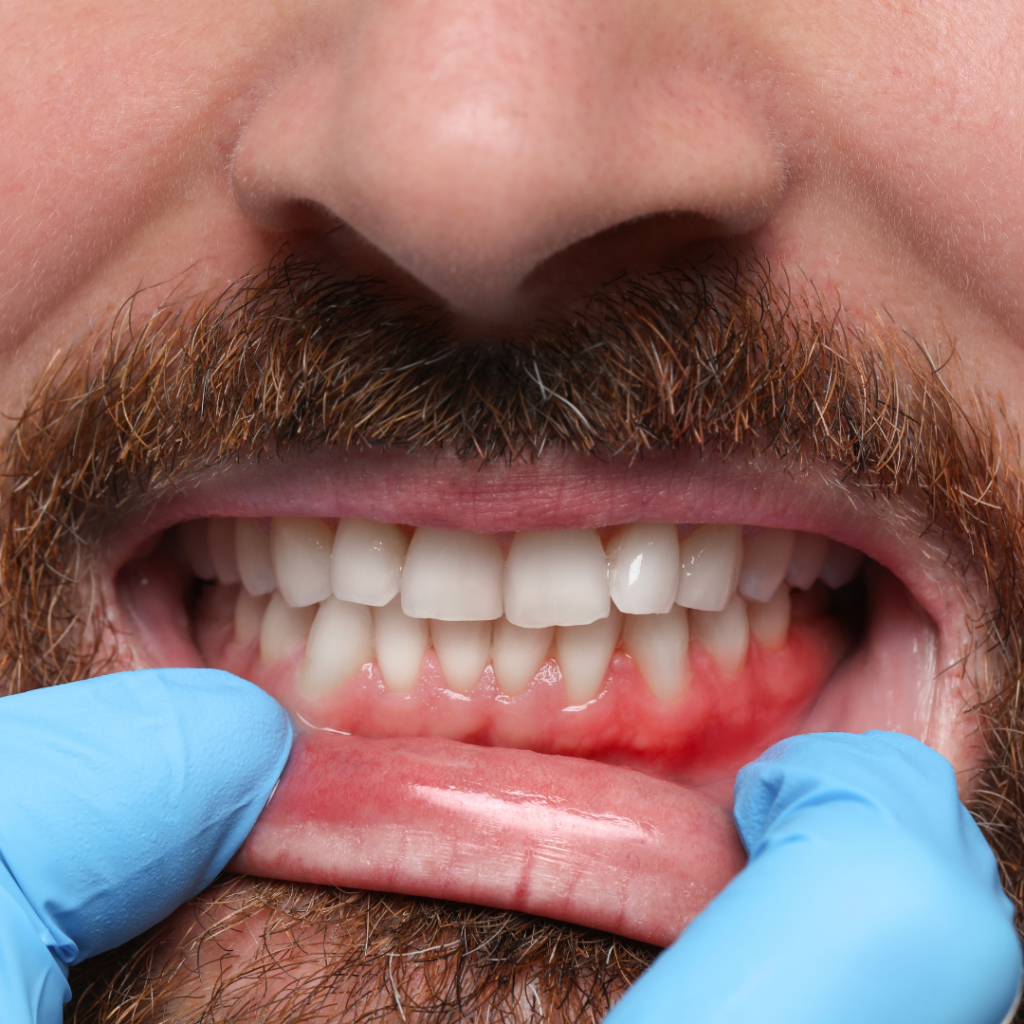
If you notice blood when brushing or flossing, it can be easy to brush it off as normal. However, bleeding gums are not something to ignore. In most cases, they are an early warning sign that your gums need attention—and addressing the issue early can help protect both your oral and overall health.
What Causes Gums to Bleed?
The most common cause of bleeding gums is plaque buildup along the gumline. When plaque isn’t removed through daily brushing and flossing, it hardens into tartar and irritates the gums. This irritation leads to inflammation, redness, and bleeding—a condition known as gingivitis. Certain factors such as smoking, hormonal changes, medications, and medical conditions can also increase the likelihood of gum bleeding.
The Risk of Untreated Gum Disease
If gingivitis is left untreated, it can progress into periodontal disease. At this stage, the infection moves deeper below the gumline, damaging the tissues and bone that support your teeth. This can lead to gum recession, persistent bad breath, loose teeth, and even tooth loss. Gum disease has also been linked to other health concerns, including heart disease and diabetes, making early treatment especially important.
Why Flossing Shouldn’t Stop
Many people stop flossing when they see blood, thinking they’re causing harm. In reality, consistent flossing helps remove plaque and bacteria that cause inflammation. While some bleeding may occur initially, healthy gums typically become firmer and stop bleeding as inflammation decreases. Avoiding flossing can allow the problem to worsen over time.
When to See Your Dentist
Occasional minor bleeding may happen, but ongoing or frequent bleeding is not normal. If your gums bleed regularly, feel tender, or appear swollen, it’s time to schedule a dental visit. A professional cleaning can remove hardened plaque, and your dentist can recommend personalized care to restore gum health.
Caring for Your Gums at River Valley Smile Center
At River Valley Smile Center, we believe healthy gums are the foundation of a healthy smile. If you’re experiencing bleeding gums, our team is here to help identify the cause and guide you toward effective treatment. Paying attention to early signs today can help prevent more serious dental problems tomorrow.
