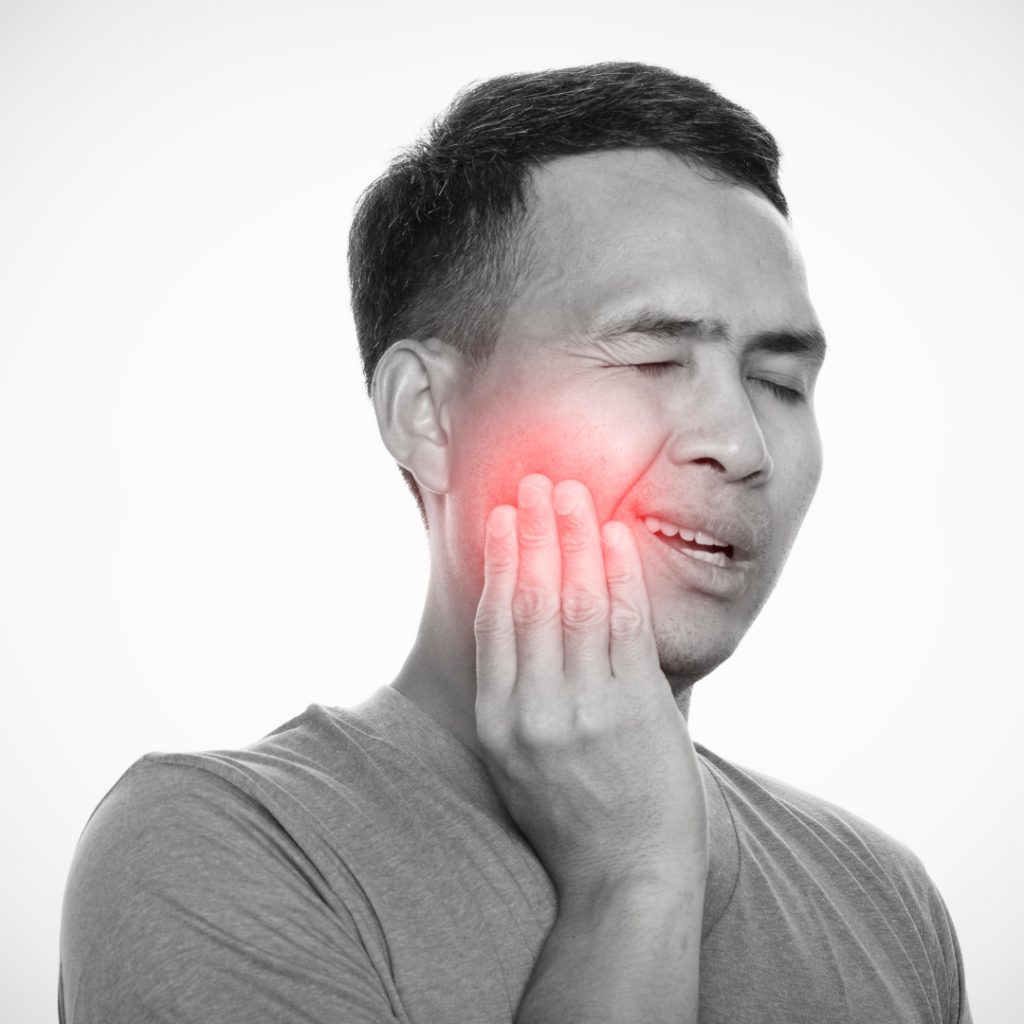
Traveling is meant to be enjoyable, but a sudden toothache can quickly disrupt your plans. Whether you’re on a summer vacation, business trip, or weekend getaway, dental pain can make it difficult to eat, sleep, and enjoy your time away. Knowing how to manage a toothache while traveling can help you stay comfortable until you can receive professional dental care.
Identify the Source of the Pain
A toothache can have several causes, including a cavity, cracked tooth, infection, gum inflammation, or a lost filling. Pay attention to when the pain occurs and whether it is triggered by hot, cold, or pressure. While it may not always be possible to determine the exact cause, understanding your symptoms can help you explain the problem to a dentist if needed.
Rinse and Clean the Area
One of the first steps to take is to gently rinse your mouth with warm salt water. This can help reduce irritation and remove food particles that may be trapped around the affected tooth. Carefully brushing and flossing can also help eliminate debris that could be contributing to discomfort.
Manage Pain Safely
Over-the-counter pain relievers may provide temporary relief while traveling. Applying a cold compress to the outside of your cheek can also help reduce swelling and discomfort. Avoid placing aspirin directly on the gums or tooth, as this can irritate oral tissues.
Avoid Foods That Can Worsen Pain
If you’re experiencing a toothache, try to avoid extremely hot, cold, sugary, or hard foods. Soft foods and plenty of water can help prevent additional irritation until you receive treatment.
Know When to Seek Emergency Dental Care
Some symptoms require immediate attention. If your toothache is accompanied by facial swelling, fever, severe pain, or signs of infection, contact an emergency dentist as soon as possible. These symptoms may indicate a more serious issue that should not wait until you return home.
Prevent Dental Problems Before You Travel
The best way to avoid a travel-related dental emergency is to schedule regular dental checkups and cleanings. A preventive exam before a major trip can identify potential concerns before they become painful problems.
Travel with Confidence with River Valley Smile Center
At River Valley Smile Center, we’re committed to helping patients maintain healthy smiles wherever life takes them. If you’re dealing with a toothache before or after a trip, our team is here to provide the care and guidance you need to get back to smiling comfortably.