Staying active through sports and recreational activities is great for overall health, but it can also put your teeth at risk if proper precautions aren’t taken. From contact sports to recreational biking and skating, dental injuries are more common than many people realize. Understanding how sports can affect your oral health can help you better protect your smile.
Common Sports-Related Dental Injuries
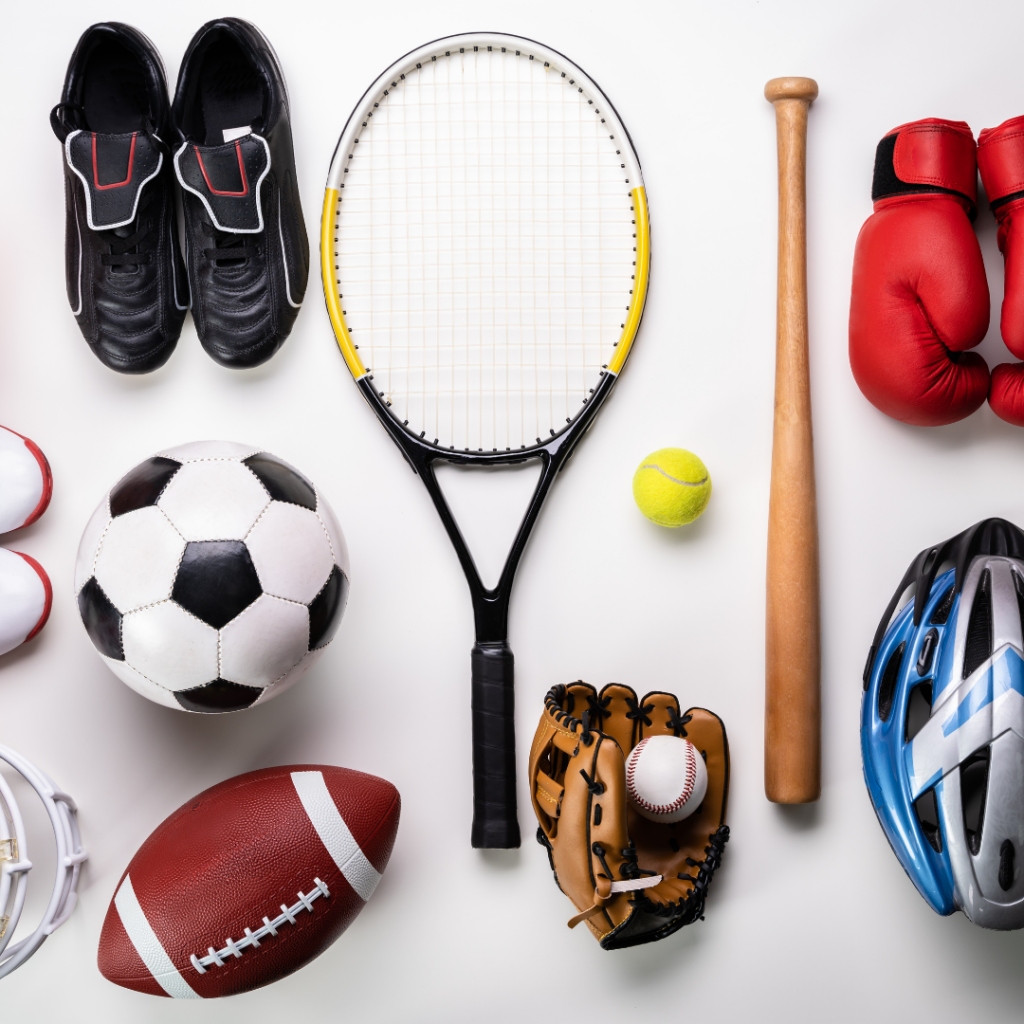
Sports accidents can lead to a variety of dental injuries, including chipped teeth, cracked teeth, tooth fractures, and even knocked-out teeth. Injuries to the lips, tongue, and jaw are also common during physical activity. Contact sports such as football, basketball, hockey, and soccer often carry a higher risk, but non-contact activities like skateboarding, gymnastics, and cycling can also result in dental trauma from falls or collisions.
The Importance of Mouthguards
One of the best ways to protect your teeth during sports is by wearing a mouthguard. Mouthguards act as a cushion that helps absorb impact and reduce the risk of injury to the teeth, gums, and jaw. Athletes of all ages can benefit from wearing one, especially during high-impact activities.
While store-bought mouthguards are available, custom mouthguards provided by your dentist offer the best fit and protection. A properly fitted mouthguard is more comfortable to wear and allows for easier breathing and speaking during activity.
Teeth Grinding During Sports
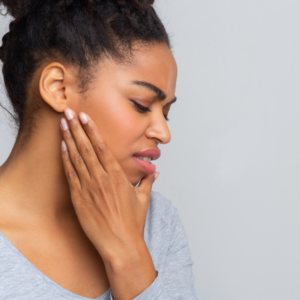
Some athletes may unknowingly clench or grind their teeth during intense activity or competition. This added pressure can contribute to enamel wear, jaw discomfort, and tooth sensitivity over time. If you notice jaw soreness after sports or physical activity, it may be worth discussing with your dentist.
What to Do After a Dental Injury
If a dental injury occurs, quick action is important. A knocked-out tooth should be handled carefully by the crown—not the root—and kept moist while seeking dental care immediately. Even minor chips or cracks should be evaluated to prevent further damage or infection.
Protecting Smiles at River Valley Smile Center
At River Valley Smile Center, we want patients to enjoy staying active while keeping their smiles protected. Whether you need a custom mouthguard or treatment for a sports-related dental injury, our team is here to help you maintain a healthy, confident smile both on and off the field.