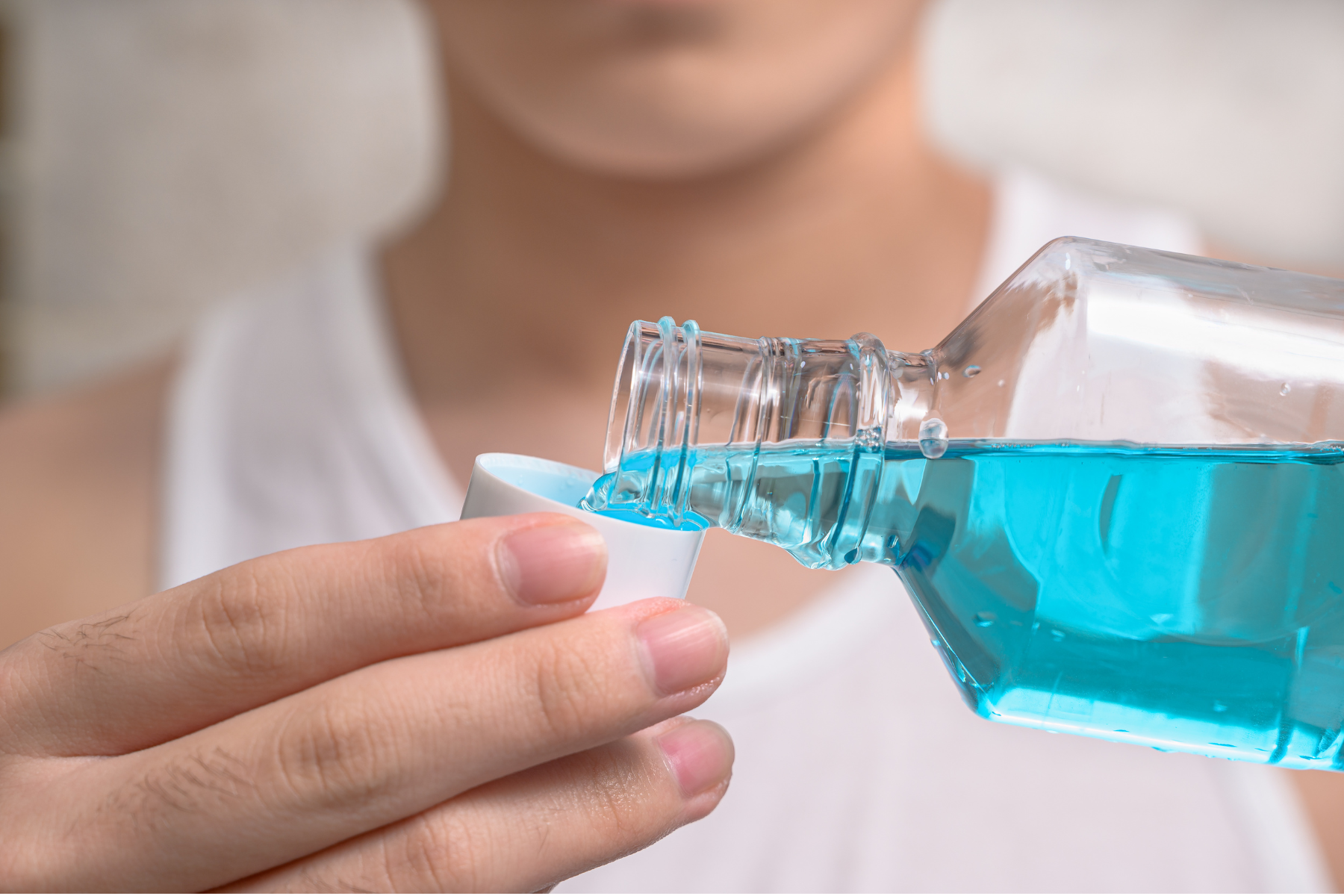

Using a good mouthwash after you brush and floss is a great way to cap off your oral hygiene routine. Mouthwash gets in the crevices you may have missed with your toothbrush, and helps kill the bacteria that cause bad breath, plaque, and other issues.
That being said, not all mouthwashes are created equal. Just stroll through the pharmacy section of your local department or grocery store, and you’ll see dozens of different mouthwashes, each with its own (somewhat) unique spin on the basic product.
Some mouthwashes contain alcohol. The idea is that alcohol kills germs; germs in the mouth cause problems; therefore, mouthwash with alcohol is a good thing. However, although this may sound good in theory, the reality is that this is not such a good idea.
Alcohol Can Have Damaging Effects on Your Mouth
Alcohol does a number of things, and most of them are not what you want to happen in your mouth. First, it can cause a burning sensation in the mouth—essentially, this is a sign of the irritation of the mucous tissues. Further, the alcohol can dry out these tissues, leading to tissue damage and bad breath (one way that the body combats halitosis is by circulating saliva to wash away odor-causing bacteria).
Alcohol can actually kill the sensitive cells in your gum and cheek tissues. These cells then slough off, becoming food for the bacteria that cause bad breath. Ironically, in this way, using mouthwash with alcohol in it can actually increase the bad breath it is intended to fight.
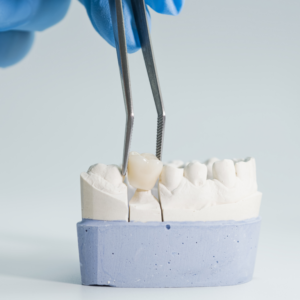
Finally, alcohol can damage the resin technology that has been used in affixing any dental work—such as veneers or bonding—to your teeth. This means that the alcohol in the mouthwash can damage your dental work and eventually contribute to it detaching from the tooth.
Questions? We Have Answers!
All this talk about what is and is not good for your teeth and mouth can be a bit much. Here at River Valley Smiles, we take pride in being accessible to our patients. If you have any questions about which mouthwash to use—or anything else related to your oral health—please feel free to give us a call, or bring it up at your next regularly scheduled cleaning appointment.
We’re here to help you, and we want you to make the best choices for your oral health.