When it comes to maintaining a healthy smile, you’ve probably heard your dentist mention plaque and tartar. While these terms are often used interchangeably, they’re actually two different things. Understanding the difference between plaque and tartar can help you protect your teeth, prevent cavities, and maintain better oral health.
What Is Dental Plaque?
Plaque is a soft, sticky film of bacteria that constantly forms on your teeth. When you eat or drink, bacteria in plaque feed on sugars and produce acids that can weaken tooth enamel and contribute to cavities.
Plaque is especially common along the gumline and between teeth, where it can be difficult to remove without proper brushing and flossing.
The good news? Plaque can usually be removed at home with consistent oral hygiene habits.
What Is Tartar?
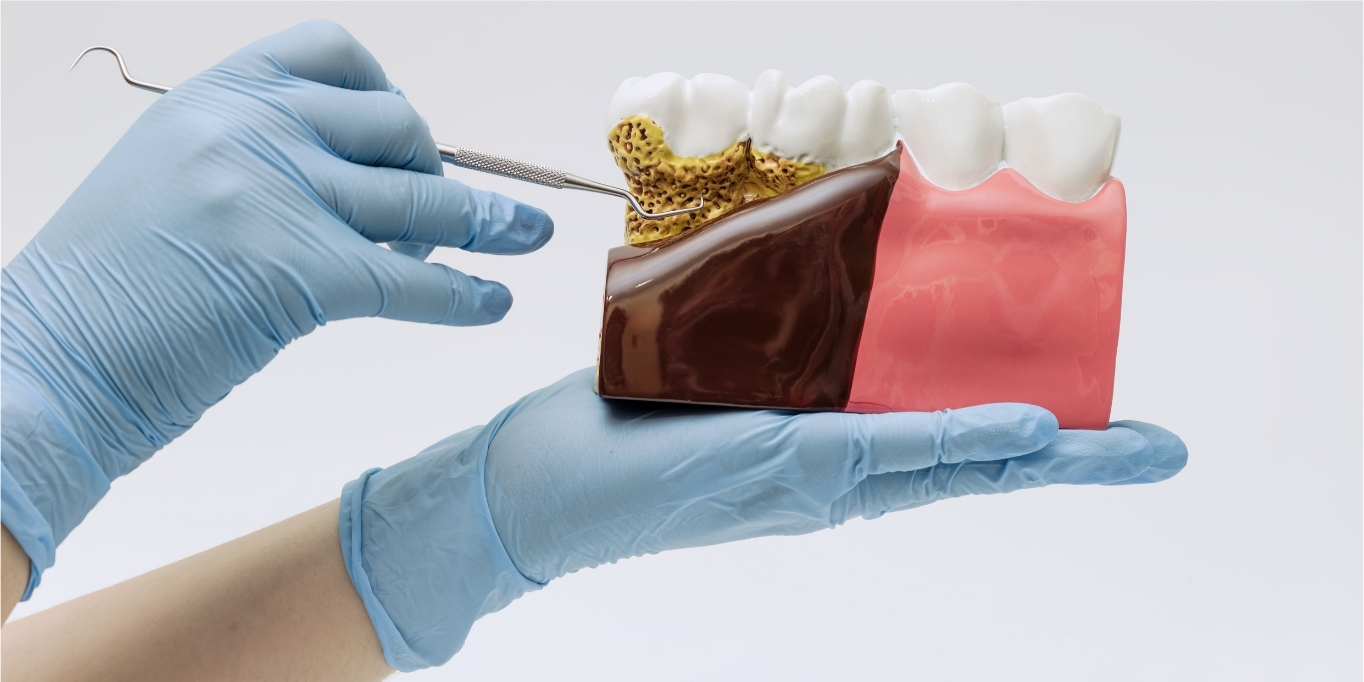
Tartar, also called dental calculus, develops when plaque isn’t removed and begins to harden through mineral buildup from saliva.
Unlike plaque, tartar cannot be removed with regular brushing or flossing. Once it forms, professional dental cleaning is necessary to safely remove it.
Tartar can accumulate above and below the gumline, creating areas where additional plaque collects and increasing the risk of gum inflammation.
Why Plaque and Tartar Buildup Matter
Both plaque and tartar can contribute to oral health problems when left untreated.
Common concerns include:
- Tooth decay and cavities
- Gingivitis and bleeding gums
- Persistent bad breath
- Gum disease
- Tooth loss in advanced cases
Removing plaque daily helps prevent tartar buildup and protects your teeth and gums from long-term damage.
How to Prevent Plaque and Tartar
Maintaining healthy teeth doesn’t have to be complicated. A few consistent habits can make a significant difference:
- Brush twice daily with fluoride toothpaste.
- Floss at least once a day.
- Limit sugary foods and beverages.
- Drink water throughout the day.
- Schedule regular dental exams and cleanings.
Keep Your Smile Healthy with River Valley Smile Center
While daily brushing and flossing help control plaque, professional dental cleanings are essential for removing hardened tartar.
At River Valley Smile Center, our team helps patients throughout Fort Smith maintain healthy teeth and gums through personalized preventive dental care. Schedule your next dental cleaning today to keep plaque and tartar under control and protect your smile.