Common Oral Diseases

Oral health greatly influences a person’s general health and well-being. Therefore, you need to maintain good oral health by observing good oral practices such as brushing your teeth, eating the right food, and avoiding smoking cigarettes and drinking alcohol. If you don’t, you risk developing a common oral disease. These diseases include tooth decay or cavities, oral cancer, periodontal or gum disease, and herpes.
Four Kinds of Teeth in Your Mouth
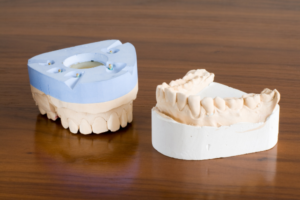
Since our childhood, our teeth have helped us in ways one cannot even imagine. They are not only an integral part of our digestive system, but they also allow us to communicate with our loved ones. They give us the strength and capacity to swallow food, utter words, and push food towards the abdomen.
Do Wisdom Teeth Have to be Removed?
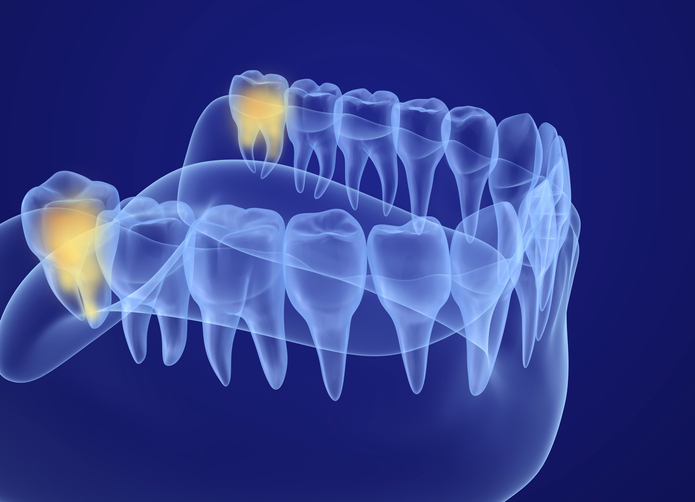
Wisdom teeth are the third and final set of molars to come through (or “erupt”). It is estimated that around 75-80% of people will require wisdom teeth removal at some point in their life.
But is it “wise” for you to remove yours? Keep reading to find out!
Sensitive Teeth Following a Filling
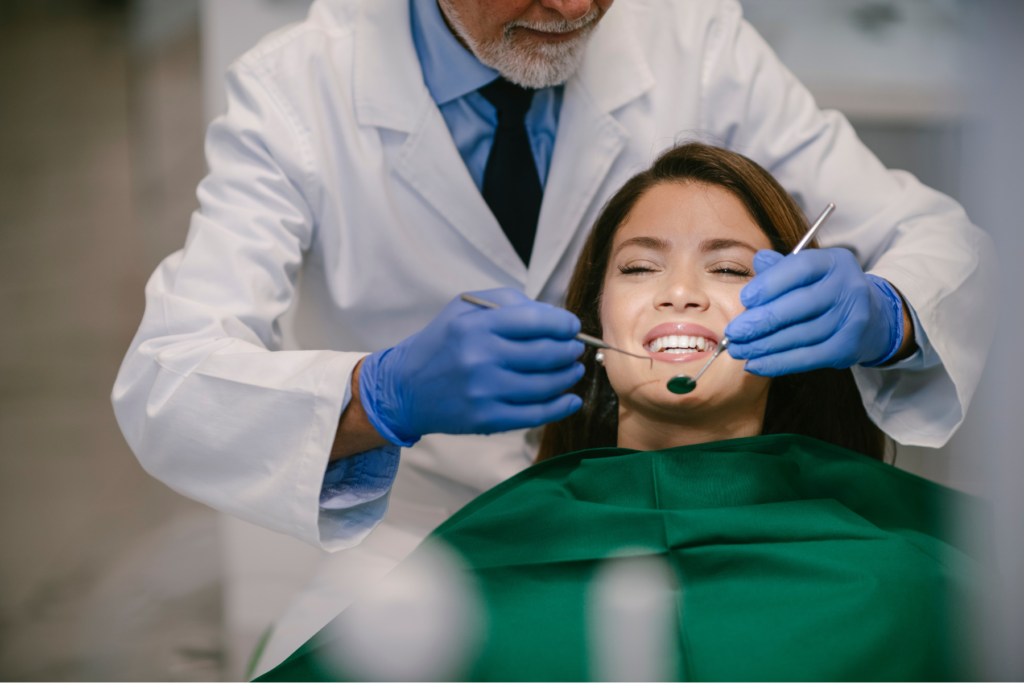
Dental fillings are commonly used to treat or manage cavities that, on their own, are painful. During filling, the dental technologist or dentist uses composite or amalgam to fill the holes formed. However, as much as this procedure is simple and essential, most people have sensitive teeth.. Most times, the sensitivity fades away on its own after a few days or weeks, but it may persist for longer in isolated cases. If you have ever suffered teeth sensitivity after filling, then these might be the reasons.
Nuts and Produce Boost Your Oral Health
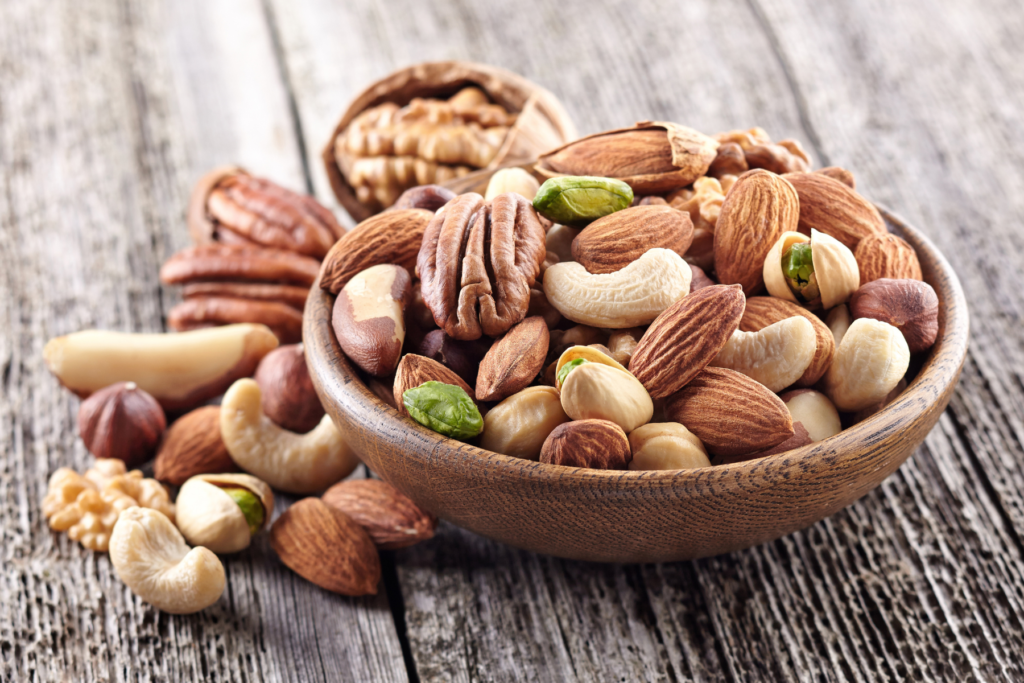
Nuts are without a doubt one of the best types of food capable of boosting your oral health. hey are the best type of food for a healthy smile and overall health. Nuts and Produce Boost Your Oral Health, because they contain lean proteins and phosphorus found in fish and meat that significantly contribute to keeping your teeth strong and healthy.
Loose Dental Crown
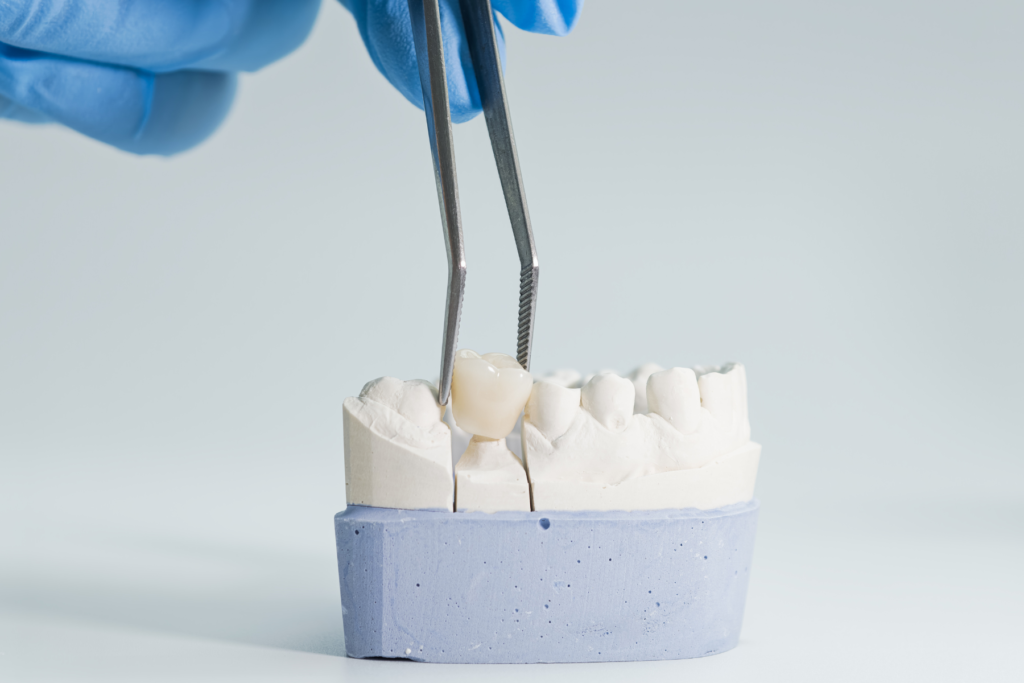
Dental Crown are great restorations, as they usually last a long time. However, they do come loose from time to time if you are not careful. The following information will give you details about a loose dental crown.
Eating with Dentures
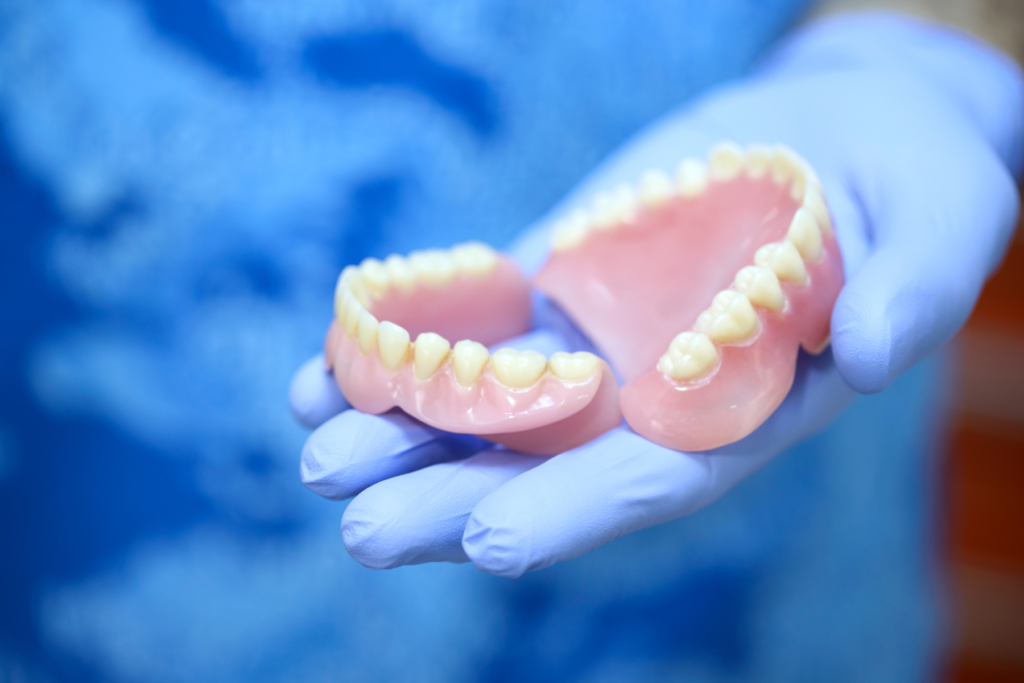
It takes time to get used to eating with dentures. The following tips can ease you into the process so you can transition into wearing dentures and eating the foods you love. The first rule of thumb, especially when eating, is to take it easy. While you may be excited by the prospect of eating foods you could not chew previously, you still need to use care as you adapt to your dentures.
Dangers of Not Brushing Your Tongue

By the time most people have reached late childhood or early adolescence, they are pretty much aware of the importance of oral health, especially the practice of properly and regularly brushing their teeth. We have all been told by parents, teachers and our dentists how we only get one set of (adult) teeth and if we don’t take care of them properly we won’t grow any more.
How Texture Changes in Your Mouth Can Signal You Needing an Appointment

Among the many different warning signs your mouth can send you regarding its health, the 3 examples we are using in our post today are some of the most common. The problem with these oral red flags, however, is that not many people know what they actually mean. Normally, that would simply mean that if a person experienced any of them, they would just make an appointment to come have them checked out at our office.
How to Manage A Burn to Your Mouth

A burn injury to the mouth is a relatively common oral injury because it can happen from everyday food and beverages. For example, a lot of takeout coffee is sold scolding hot and there are times that you might get more of it in your mouth than you intended, resulting in a burn. Oftentimes, this type of burn injury hits the tongue and causes swelling, and the user not to be able to taste food properly for hours. Wherever the burn has occurred in your mouth, we have general tips to share about how to manage it.