
All You Need to Know About Jaw Locking
Jaw Locking is a serious oral health problem that can affect people of almost all age groups. It happens when your jaw becomes stuck in one place, leaving you with little to no movement in the mouth region. This can be quite stressful for patients, as it imposes a lot of restrictions on daily life chores and causes stress.
Why does it Happen?
Temporomandibular Joint Disorders
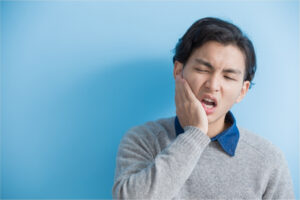
The most common cause of a locked jaw is when the temporomandibular joints get stuck and cause pain. This pain can be in multiple regions of the face, such as the mouth, inner ear, chin, and nose. You may also face difficulty in chewing food because the joints are not moving smoothly.
Although TMJ can be very painful, it usually resolves without getting any medical care. All you need to do is a few mouth exercises, and you will feel significant improvement in the pain.
Stress
In recent years, stress has become closely related to symptoms of a tight jaw. Many people clench their jaw or grind their teeth whenever they are stressed or anxious. Due to this, you may have a tight jaw which also causes a lot of pain when chewing food.
Excessive Chewing
When you chew food for a very long time and use your jaw excessively, it could also lead to a locked jaw.
Bruxism
Bruxism, also known as teeth grinding, is a condition in which an individual constantly grinds their teeth unknowingly. This could be due to genetic, stress, or misaligned teeth. If you have long teeth that do not fit properly in the mouth, you are more likely to grind them continuously.
Facial Trauma
Facial trauma is when your face has been suddenly hit by something, which then causes the jaw to become numb and unable to move. Because of the blunt force of the object in the injury, the locked jaw from this can be very severe and must be consulted with a medical practitioner.
Symptoms
If you are facing any of these symptoms for a prolonged period of time, you may have a locked jaw.
- Pain in the jaw, neck, or teeth.
- A numbing sensation in the mouth and ears
- Inability to move the jaw as you want or discomfort in doing so.
- Clicking sounds from the jaw while eating or sleeping.
If you want to see a dentist because of a tight jaw, contact River Valley Smile Center today at 479.646.0706.